
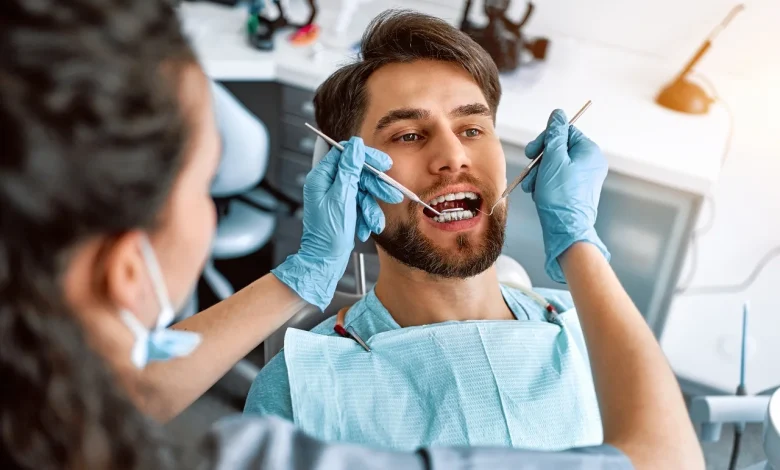
A healthy-looking smile is part of how many people think about beauty and self-care, but dental advice online can be difficult to sort from trends and quick fixes. For dental practices, useful guest post topics for dental practices connect oral health with real questions about confidence, appearance, and daily routines—without turning clinical guidance into a sales pitch.
Make oral health relevant to beauty readers
Readers of beauty and fashion sites may be curious about whitening, fresh breath, or how to care for teeth around a busy schedule. Those interests can provide a natural starting point for an article, as long as the piece offers practical information and keeps expectations realistic.
For example, a dentist could explain the difference between surface stains and deeper discoloration, why results vary, and when it is sensible to seek professional advice. A post might also cover everyday habits that help protect enamel, such as brushing with fluoride toothpaste and limiting frequent exposure to sugary or acidic drinks. The aim is not to prescribe a treatment to every reader; it is to give them clear questions to take to their own dental professional.
Other approachable angles include how to keep a smile comfortable during travel, what to know before using over-the-counter whitening products, and how routine dental care fits into a broader self-care plan. Avoid promising dramatic transformations or presenting a cosmetic procedure as suitable for everyone. Appearance-related subjects work best when they include health context and acknowledge individual differences.
Choose topics with a clear reader benefit
A strong pitch begins with the publication’s audience, not with a list of services the practice offers. Before drafting, read several recent articles and look for the questions they answer, their level of detail, and the tone they use. A fashion site may welcome a concise, friendly explainer; a health publication may expect deeper context and expert review.
Potential topics can be grouped into a few useful areas:
- Patient education: Explain what happens during a routine checkup, why gums may bleed, or how to care for teeth while wearing aligners.
- Beauty and wellbeing: Discuss safe approaches to whitening, the relationship between oral comfort and confidence, or how to evaluate popular smile-care trends.
- Life-stage guidance: Offer general information for parents, people managing changing routines, or older adults navigating different oral-care needs.
- Practice and patient experience: Describe how to prepare for an appointment, what to bring, and how patients can communicate concerns or dental anxiety.
These subjects should be tailored rather than copied from one pitch to another. A specific headline and a short explanation of the reader takeaway make it easier for an editor to judge whether the idea fits.
Keep clinical content accurate and accessible
Dental writing can influence health decisions, so accuracy matters as much as a polished style. Use plain language, define technical terms, and distinguish general education from personalised advice. If a topic involves treatment risks, eligibility, or changing clinical guidance, have a qualified dental professional review the draft before submission.
Be careful with before-and-after narratives and broad claims. A single patient’s experience cannot establish what another person should expect, and images or anecdotes may require permission. Avoid diagnosing readers from a list of symptoms. Instead, explain when a concern merits a conversation with a dentist and encourage readers to seek individual guidance where appropriate.
Useful supporting details can include the article’s author credentials, review process, and sources for clinical statements. Editors may also have rules about medical disclaimers, links, images, and whether a professional biography is permitted. Check those requirements early; a relevant article can still be declined if it misses basic submission standards.
Pitch with the publication in mind
A concise pitch usually includes a working headline, a brief outline, the intended reader, and a sentence explaining why the topic suits that site. If the publication has already covered a similar subject, identify a fresh angle rather than offering a near-duplicate. For instance, a general whitening article might become a practical guide to evaluating product claims or a discussion of maintaining oral care while travelling.
Guest posting can also support a practice’s visibility, but placement alone does not make an article valuable. The publication should have a genuine audience for the subject, and the content should stand on its own even if a reader never visits the practice’s website. A useful overview of guest posting options for dentists can help practices explore relevant outlets and consider editorial fit, content expectations, and costs.
Assess outreach as carefully as the writing
If you work with a freelancer or outreach specialist, ask how they select publications, personalise pitches, and confirm editorial requirements. To understand how to assess link building outreach methods, look for clear explanations of the process rather than promises of guaranteed placements. Osdire’s guide is one place to review questions about skills, costs, and vetting before choosing a specialist.
Agree on what the work includes: topic research, drafting, clinical review, revisions, and communication with editors may be separate tasks. A sensible process makes room for the practice to check medical accuracy while respecting the publication’s editorial control. It should also be clear how fees are handled and what counts as completed work.
Build trust through useful contributions
The best dental guest articles meet readers where they are. They answer a real question, treat beauty concerns without judgement, and offer sound information in a format that suits the publication. With thoughtful topic selection, careful clinical review, and respectful outreach, a dental practice can contribute expertise to beauty and lifestyle conversations while giving readers something more lasting than a trend or a product recommendation.