For a fashion blogger, beauty writer or independent designer, a guest post can be a way to introduce your work to new readers. But once the article is published, it is natural to check the link back to your site and wonder: does a nofollow link mean a guest post failed? Not necessarily. The link attribute is one detail in a wider picture that includes audience fit, referral traffic, brand visibility and whether the link still works as intended.
That distinction matters in a field where credibility is built through consistent, useful content. A mention on a relevant beauty or style site may put your work in front of people who are genuinely interested, even if the link is marked nofollow. Before judging the result, understand what that label means and how to keep an eye on the placement over time.
What a nofollow link does—and does not—tell you
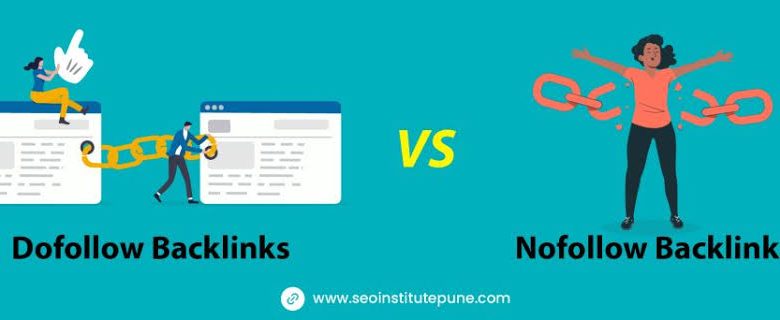
A nofollow link includes an instruction that search engines should not treat it as a standard endorsement for ranking purposes. It does not mean the link is broken, hidden from readers or automatically worthless. Someone browsing an article about seasonal skincare or capsule wardrobes can still click it and discover your portfolio, shop or blog.
Publishers may use nofollow attributes for different reasons, including editorial policy or disclosure practices around paid and contributed content. The label alone does not reveal how many readers saw your article, whether they visited your site, or what impression your contribution made. Those outcomes deserve attention too. A few engaged readers who follow your work may be more valuable to a small fashion business than a large number of irrelevant visits.
It is also worth separating a nofollow link from a missing or changed link. If an editor agreed to link to a particular page and the published article contains no link, points to the wrong destination, or uses unexpected anchor text, that is a different issue. Check the agreement and the live page before drawing conclusions or contacting the publisher.
Why guest-post links need a routine check
Published pages can change after launch. An article may be edited, moved to a new address, or updated in a way that removes a link. A destination page can also become unavailable. These problems are easy to overlook when you are busy planning shoots, preparing product launches or pitching the next story.
A simple tracking habit makes the process manageable. Record the publication name, article URL, date, agreed destination, anchor text and any expected link attributes. Then verify the live article once it appears, and revisit it periodically. A backlink monitoring guide can help you think through tools, alerts and a practical tracking process. iCopify provides link-building services; monitoring published backlinks requires an external tool.
A practical six-step check for fashion and beauty creators
- Save the details. Keep the original agreement or email, plus the final article URL and the page you expected readers to reach.
- Check the live article. Open it in a browser and confirm that the link is present, clickable and directed to the correct page.
- Review the anchor text. Make sure it still describes the destination naturally. A link to a makeup tutorial should not point to an unrelated sales page.
- Note the attribute. Record whether the link is nofollow or another type. Treat this as context, not an instant verdict on the post’s value.
- Test the destination. Confirm your page loads and works on mobile. A broken product page or outdated portfolio can waste the attention the guest post earned.
- Verify alerts before acting. Monitoring tools can flag changes, but automated results can be incomplete or mistaken. Visit the page yourself before asking an editor to investigate.
A spreadsheet is often enough when you have a modest number of placements. Add a status column, the date of your last check and a note about any follow-up. If you have many guest posts, a monitoring tool can make changes easier to spot, but alerts still need human review. A temporary site error is not the same as a permanently removed link.
Measure the whole result, not just the attribute
Look beyond link labels when assessing a contribution. Did readers arrive from the article? Did they spend time with your work, sign up for updates or browse related products? Did the publication reach an audience that matches your niche? Referral analytics and campaign tags can help answer those questions, while comments and social responses may offer clues about what resonated.
Also consider the value of the article itself. A thoughtful piece on styling vintage finds or choosing a sensitive-skin routine can demonstrate your expertise and give potential collaborators a reason to remember you. That value may last after the first burst of visits fades. For future contributions, clarify expectations in advance: the intended destination, whether a link is expected, and who will handle corrections if the published details differ.
Creating and tracking guest content takes time, especially for independent creators who also handle photography, writing and promotion. If you hire freelance help, plan the budget and scope before work begins so expenses are easier to manage and you can remove repeated payments for tasks that should have been covered in the original brief. Osdire is one marketplace where buyers can hire freelancers across creative categories; its advice on getting more value from freelance budgets may be useful when planning that work.
A nofollow link is not, by itself, proof that a guest post failed. Check whether the placement is accurate, useful to readers and still functioning, then weigh its audience and referral value alongside its search attributes. With clear expectations and a simple monitoring routine, you can protect the work you have published and make better decisions about where to contribute next.